
Your shopping cart is empty!

Featured

Moringa powder health benefits
Moringa powder
Moringa powder is simply the dried and ground leaves of the Moringa oleifera tree. This form is highly prized for its concentrated nutritional density and convenience. Because the leaves are dehydrated, the nutrients become more shelf-stable and easier to integrate into daily diets, making it a “superfood” staple in modern, health-conscious living.
Below are the health benefits specific to the consistent use of moringa leaf powder:
1. Superior Nutrient Density (Nature’s Multivitamin)
Moringa powder is concentrated. Gram for gram, dried leaves contain significantly more vitamins and minerals than the fresh plant.
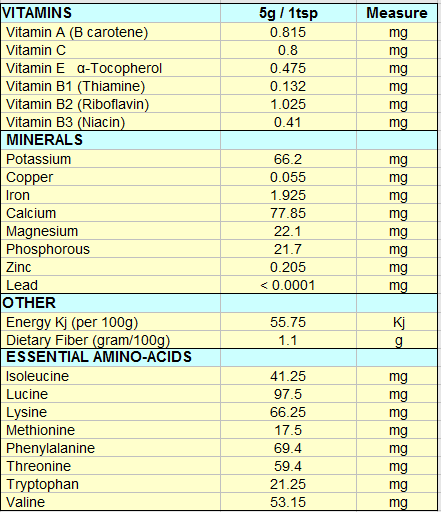
Micronutrient delivery: It is an excellent source of plant-based protein and contains all nine essential amino acids. It is also particularly high in Vitamin A (essential for vision and immunity) and Vitamin E [1, 2].
Accessibility: For those with limited access to diverse vegetables, moringa powder acts as a reliable, shelf-stable source of iron and calcium, which are vital for bone density and blood health.
Moringa nutritional content (Source:SANAS accredited lab)
2. Blood Sugar Regulation and Metabolic Support
One of the most clinically supported uses of moringa powder is its impact on glucose metabolism.
Postprandial Glucose: Regular consumption of 7–10 grams of moringa leaf powder has been noted in human trials to reduce spikes in blood sugar following a meal [3, 4].
Metabolic Syndrome: The antioxidants within the powder help mitigate the oxidative stress associated with obesity and metabolic dysfunction, helping the body improve its natural insulin response [2, 5].
3. Cholesterol Reduction
Several clinical studies have investigated the impact of moringa powder on cardiovascular risk factors.
Lipid Profile: Consuming roughly 5–10 grams of the powder daily has been shown to lower total serum cholesterol, triglycerides, and LDL (low-density lipoprotein) levels in participants. This is largely attributed to its unique profile of polyphenols and fiber [1, 4].
4. Hematological Benefits (Anemia Support)
Given its high iron and chlorophyll content, moringa powder is frequently used as a natural, non-constipating iron supplement.
Hemoglobin Levels: Clinical studies, particularly in populations with iron-deficiency anemia, have demonstrated that moringa powder intake can increase hemoglobin levels and improve overall hematological markers [2, 5].
5. Liver Protection and Detoxification
The liver is the primary organ for filtering toxins, and moringa powder is highly supportive of hepatic function.
Hepatoprotection: The high concentration of antioxidants, specifically isothiocyanates, helps the liver clear out toxins and reduces the accumulation of hepatic lipids. This is particularly relevant for maintaining liver health in the face of modern environmental exposures and dietary stressors [3, 4].
Usage Guidelines & Tips
Dosage: Most clinical studies utilize a dosage of 1 to 2 teaspoons (approx. 5–10 grams) per day. It is recommended to start with a smaller amount (half a teaspoon) to allow your digestive system to adjust, as it is very high in fiber.
Preparation: Because it is a powder, it is best added to cold or room-temperature liquids (like smoothies, yogurt, or juices) to preserve the delicate bioactive compounds. Avoid boiling it, as high heat can degrade certain vitamins [1, 5].
Quality Control: Always purchase certified organic moringa powder. Because the tree is a “bio-accumulator,” it can absorb heavy metals from contaminated soil.
.
References
Sreelatha, S., & Padma, P. R. (2011). Antioxidant activity and total phenolic content of Moringa oleifera leaves in two stages of maturity. Plant Foods for Human Nutrition.
Stohs, S. J., & Hartman, M. J. (2015). Review of the Safety and Efficacy of Moringa oleifera. Phytotherapy Research.
Gopalakrishnan, L., et al. (2016). Moringa oleifera: A review on nutritive importance and its medicinal application. Food Science and Human Wellness.
Mbikay, M. (2012). Therapeutic Potential of Moringa oleifera Leaves in Chronic Hyperglycemia and Dyslipidemia: A Review. Frontiers in Pharmacology.
Rockwood, J. L., et al. (2013). Potential uses of Moringa oleifera and an examination of genetic diversity. American Journal of Plant Sciences.
Disclaimer: This information in this website is opinion, and is intended only as a reference guide for further exploration, and is not a replacement for professional health advice. This information is not intended to diagnose, treat, cure, or prevent any disease.
There are no products to list in this category.
Powered By OpenCart
Empty Capsules © 2026
Empty Capsules © 2026