
Your shopping cart is empty!


Featured


Turmeric health benefits
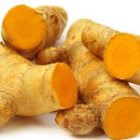 Turmeric
Turmeric (Curcuma longa) is a cornerstone of traditional Ayurvedic medicine. Its primary bioactive compound, curcumin, is a polyphenol responsible for most of the plant’s therapeutic effects. While curcumin has low bioavailability on its own (it is poorly absorbed into the bloodstream), it is significantly improved when consumed with black pepper (piperine) or healthy fats.
Here are the key health benefits of turmeric supported by clinical research:
1. Powerful Anti-Inflammatory Properties
Chronic, low-level inflammation plays a major role in almost every chronic Western disease. Curcumin is highly bioactive and can inhibit many molecules known to play a major role in inflammation.
- Mechanism: It blocks the transcription factor NF-kB, which travels into the nuclei of cells and turns on genes related to inflammation.
- Reference: Aggarwal, B. B., & Harikumar, K. B. (2009). "Potential therapeutic effects of curcumin, the anti-inflammatory agent, against neurodegenerative, cardiovascular, pulmonary, metabolic, autoimmune and neoplastic diseases." The International Journal of Biochemistry & Cell Biology.
2. Improvement of Endothelial Function
The endothelium is the lining of the blood vessels. Dysfunction of the endothelium is a major driver of heart disease. Curcumin has been shown to improve endothelial function, often as effectively as some pharmaceutical exercises.
- Reference: Akazawa, N., et al. (2012). "Curcumin ingestion and exercise training improve vascular endothelial function in postmenopausal women." Nutrition Research.
3. Neuroprotective Effects and Brain Health
Curcumin increases levels of Brain-Derived Neurotrophic Factor (BDNF), a growth hormone that functions in the brain. Many common brain disorders, including depression and Alzheimer’s disease, have been linked to decreased levels of this hormone.
- Mechanism: By increasing BDNF, curcumin may be effective at delaying or even reversing many brain diseases and age-related decreases in brain function.
- Reference: Millea, P. J., & Madsen, R. (2011). "The role of turmeric and curcumin in the prevention and treatment of chronic disease." Journal of Athletic Training.
4. Management of Arthritis
Arthritis is a common disorder characterized by joint inflammation. Numerous studies have shown that curcumin can help manage symptoms of both rheumatoid arthritis and osteoarthritis, often showing efficacy comparable to anti-inflammatory drugs like diclofenac, but with a better safety profile.
- Reference: Daily, J. W., et al. (2016). "Efficacy of Turmeric Extracts and Curcumin for Alleviating the Symptoms of Joint Arthritis: A Systematic Review and Meta-Analysis of Randomized Clinical Trials." Journal of Medicinal Food.
5. Antioxidant Capacity
Curcumin has a dual action: it directly neutralizes free radicals, and it stimulates the body’s own antioxidant enzymes, such as superoxide dismutase (SOD) and glutathione.
- Reference: Menon, V. P., & Sudheer, A. R. (2007). "Antioxidant and anti-inflammatory properties of curcumin." Advances in Experimental Medicine and Biology.
Tips:
- Bioavailability: Always consume turmeric with a pinch of black pepper. The piperine in black pepper has been shown to increase the absorption of curcumin by up to 2,000%.
- Fat Solubility: Curcumin is fat-soluble; taking it with a meal containing healthy fats (like olive oil, avocado, or ghee) will further improve absorption.
- Caution: Turmeric acts as a mild blood thinner. If you are preparing for surgery or taking anticoagulant medications, consult your doctor before using therapeutic doses.
Disclaimer: This information in this website is opinion, and is intended only as a reference guide for further exploration, and is not a replacement for professional health advice. This information is not intended to diagnose, treat, cure, or prevent any disease.
There are no products to list in this category.
Powered By OpenCart
Empty Capsules © 2026
Empty Capsules © 2026